
CASE STUDY
Solarization Of The Pakistan's Educational Sector
Project Overview
In recent years, Pakistan has witnessed a transformative shift towards sustainable energy
solutions, particularly in the educational sector. Pantera has emerged as a leader in this
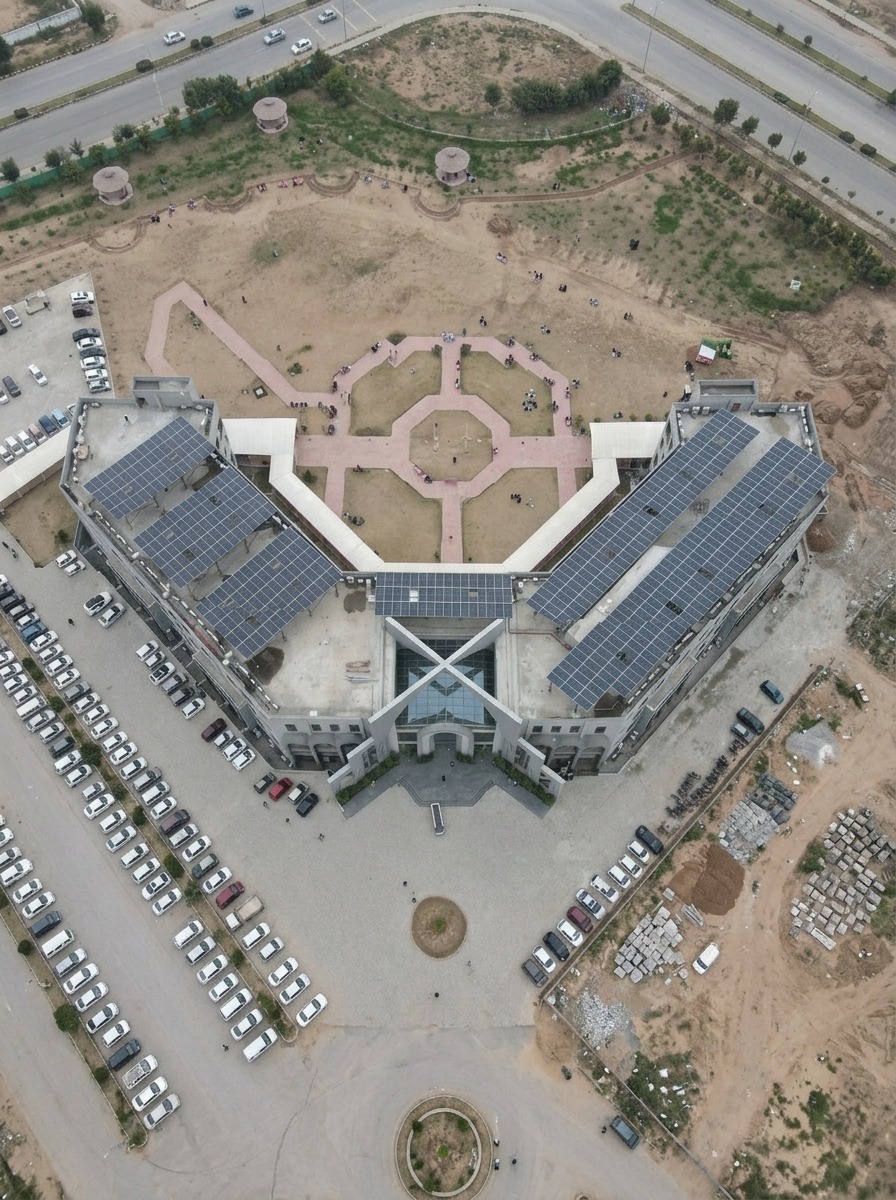
movement, successfully solarizing several prominent institutions, including the PSAQSJ Medical Institute with a capacity of 1500 kW, Riphah International University in Islamabad at
845.88 kW, Beaconhouse National University in Lahore at 632 kW, LUMHS (Liaquat University
of Medical & Health Sciences) at 768 kW, Bibi Asifa Dental College at 300 kW, and CMH
Lahore Medical and Dental College at 1000 kW. This case study highlights key achievements in solar energy implementation across these major universities and colleges, showcasing the impact on operational costs, environmental sustainability, and educational
awareness.
Impact of Solarization
•Cost Reduction: Solar energy significantly decreases electricity bills, allowing institutions to
redirect funds towards infrastructure, research, and student services.
•Environmental Benefits: By reducing reliance on fossil fuels, these institutions contribute to
lowering greenhouse gas emissions, promoting a greener campus environment.
CONCLUSION
Pantera’s efforts in solarizing key educational institutions in Pakistan mark a significant stride toward sustainability and energy independence. By integrating solar technology, these institutions not only enhance their operational efficiency but also play a crucial role in shaping a more environmentally conscious society. As the movement grows, it sets a precedent for further developments in renewable energy adoption across various sectors in Pakistan.