
CASE STUDY
Solarization Of The Industrial Sector In Leading Manufacturing Units
Project Overview
Manufacturing units globally have long relied on fossil fuels to power their operations,
leading to increased energy costs and significant environmental impacts. As these sectors face growing scrutiny over their carbon emissions, the need for a shift toward sustainable energy sources becomes essential. In this context, Lahore Polypropylene Industries Private Limited (LPI) made strides by transitioning to solar energy solutions aimed at
reducing its carbon footprint and alleviating the burden of high electricity bills. This case
study shows how LPI partnered with Pantera Energy to adopt sustainable practices and
enhance its efforts to improve operational efficiency.
Lahore Polypropylene Industries Private Limited (LPI) is a prominent manufacturing entity
in Pakistan, specializing in copper and aluminum wires, cables, conductors, distribution
transformers, and cold storage houses. Despite its position as one of the largest industries
in the country, LPI faces challenges that hinder its potential for further growth, particularly high overhead costs and a significant carbon footprint. One of the primary challenges
is the escalating electricity bills that contribute to LPI’s overall operating expenses. As a
large industry, managing these costs is crucial for maintaining financial stability. Additionally, LPI is committed to environmental responsibility, yet its operations currently lead to a
substantial carbon footprint, prompting a strategic shift toward more sustainable practices.
Proposed Solution
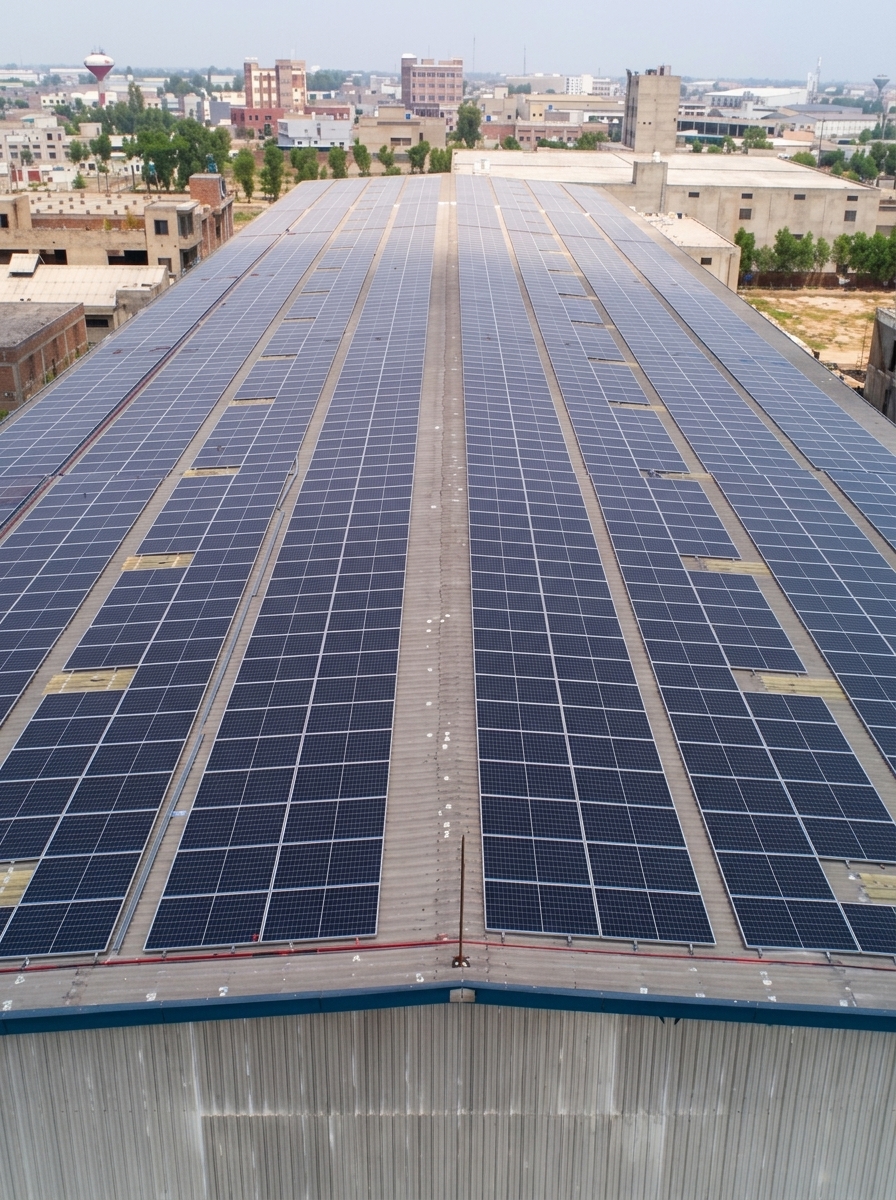
To address these issues, LPI partnered with Pantera Energy, which provided a comprehensive solar solution tailored to the company’s specific needs. The collaboration resulted in
the installation of a 1.36 Megawatt solar energy system, which features a customized rooftop structure designed to maximize energy capture. This solar project is significant as it will
be the largest installation within the Sundar Industrial Estate.
The 1.36 MW solar system is expected to generate approximately 5,000 MWh of electricity
annually, significantly reducing LPI’s reliance on conventional energy sources. This shift is
projected to lead to an estimated reduction of around 3,000 tons of CO2 emissions each
year, addressing both cost and environmental concerns effectively.
Outcomes
Pantera Energy’s expertise in renewable energy solutions enabled LPI to transform high
operating expenses into capital expenditures, allowing for more predictable financial
forecasting. By generating its own energy, LPI will not only lower its electricity bills but also
reduce its dependence on external power grids, insulating the company from fluctuations
in energy prices.
CONCLUSION
Lahore Polypropylene Industries is at a critical juncture in its journey toward operational efficiency and sustainability. Through its partnership with Pantera Energy and the strategic investment in renewable energy, LPI is addressing high operating costs while significantly reducing its environmental impact. This case illustrates how solar solutions can drive economic and ecological benefits, positioning LPI for long-term growth while contributing positively to the environment.